Why GPs Source Deals at In Person Events
Finding quality deals in private equity requires more than database searches and cold outreach. For General Partners, in-person conferences remain essential for building the relationships that lead to proprietary opportunities. IPEM connects GPs with the decision-makers, market intelligence, and qualified deal access that digital channels simply cannot replicate.
This guide explains why private equity GPs continue to prioritize face-to-face networking, how to maximize your conference investment, and what distinguishes successful relationship-led sourcing from generic outreach.
Key Takeaways: Why GPs Source Deals at In-Person Events
- In-person conferences create trust-based relationships that lead to proprietary deal flow unavailable through digital channels.
- GPs gain access to real-time market intelligence and LP feedback that shapes investment strategy.
- Conferences such as IPEM Global attract over 6,000 attendees, including more than 1,600 LPs.
- Face-to-face meetings accelerate decision-making timelines and reduce the friction of relationship building.
- Strategic event selection and preparation separate high-performing GPs from those who treat conferences as optional.
Why In-Person Deal Sourcing Remains Critical for GPs
Deal sourcing has become more competitive than ever. M&A transactions in the EMEA market totaled approximately €1.2 trillion in 2025, a 25% increase year-over-year. Yet sourcing promising opportunities remains challenging because founders are inundated with inbound outreach and data across European markets is fragmented.
This fragmentation creates a significant advantage for GPs who invest in relationship-building at industry events. Different countries use different reporting standards, languages, filing systems, and regulatory requirements. Even required financial disclosures often contain minimal or outdated information.
In-person conferences solve this clarity problem. When you meet a founder, advisor, or fellow GP face-to-face, you gather contextual information that no database can capture. You understand their motivations, assess their credibility, and establish the rapport that opens doors to off-market opportunities.
What European LPs Expect from GP Engagement at Conferences
LPs attend international events with specific objectives. They want to evaluate new fund managers, reconnect with existing relationships, and gather market intelligence. Your approach to these meetings signals your professionalism and strategic thinking.
Institutional investors, pension fund managers, and family office executives appreciate GPs who arrive prepared. This means understanding their allocation strategy, past investments, and stated preferences before requesting a meeting. Generic pitches waste their time and damage your reputation.
IPEM events facilitate this preparation through structured LP-GP meeting programs and personalized matchmaking recommendations. The IPEM platform helps GPs identify the most relevant LPs before arrival, making every conversation more productive.
How Face-to-Face Networking Builds Proprietary Deal Flow
The highest-quality deals rarely come through public channels. They emerge from relationships built over years of consistent engagement. When an entrepreneur decides to sell their business, they typically reach out to the investors they know and trust before engaging advisors.
Conferences accelerate this relationship-building process by concentrating decision-makers in a single location. In three days at a major international event, you can meet more relevant contacts than in six months of scheduled calls and travel. The casual conversations over coffee, the introductions from mutual connections, and the panel discussions that spark follow-up questions all contribute to relationship depth.
GPs who specialize in specific sectors gain even greater advantages. When you consistently attend the same events and demonstrate genuine expertise, founders and intermediaries begin to see you as the obvious partner for deals in your focus area.
Understanding the Private Equity Conference Landscape
GPs have numerous conference options throughout the year, each with distinct characteristics. Selecting the right events requires understanding their audience composition, format, and strategic value.
Large-Scale Industry Gatherings
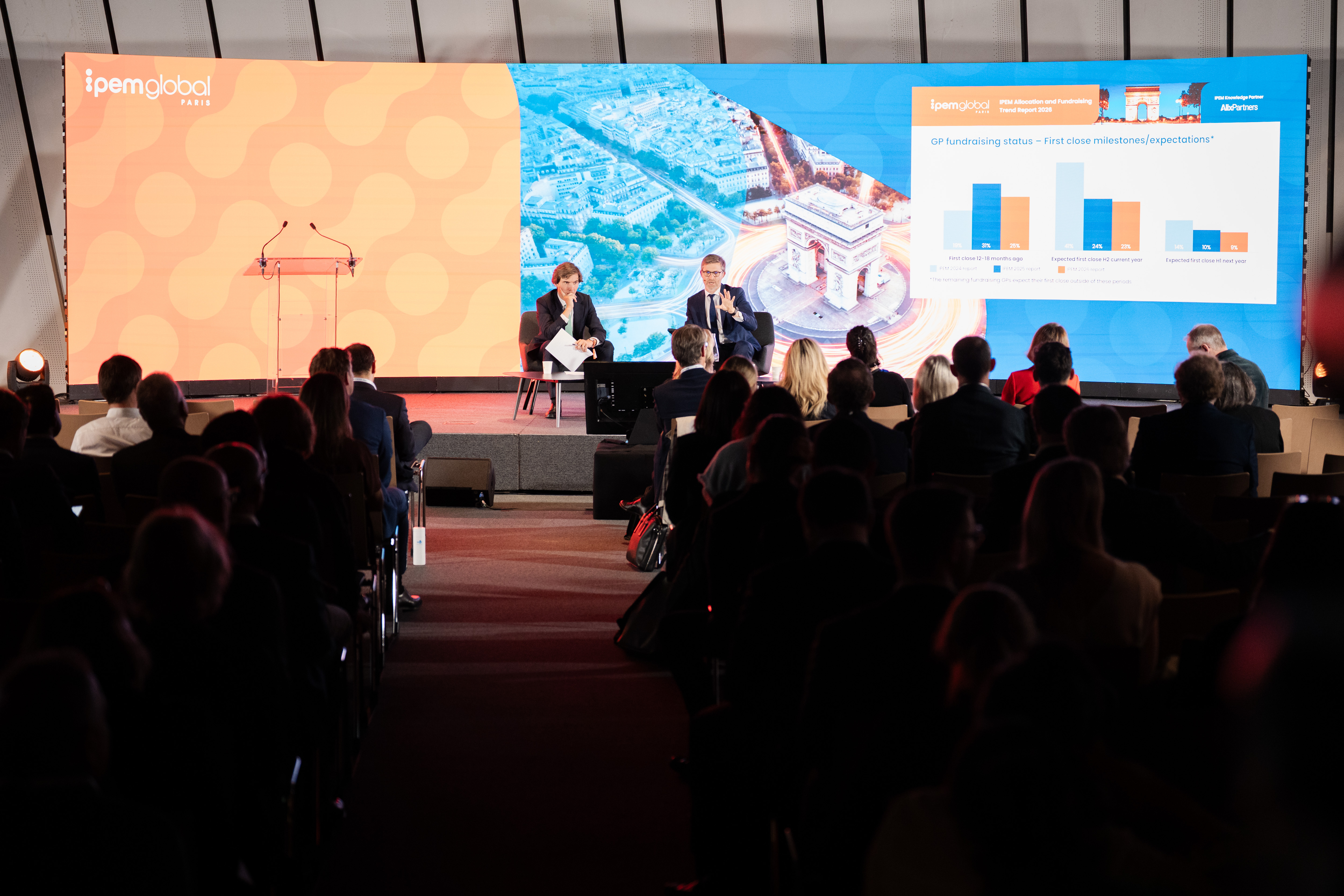
Events like IPEM Global in Paris draw more than 6,000 attendees annually, including over 1,600 LPs and thousands of GPs. These conferences offer maximum networking density and broad exposure to the entire private equity ecosystem. They work well for GPs looking to raise their profile and meet a diverse range of allocators.
Specialized Regional Events
Smaller conferences focusing on specific European regions or strategies attract more targeted audiences. The DACH region, Nordics, and Southern Europe each have dedicated events that bring together local market participants. These settings often allow deeper conversations than larger gatherings.
Sector-Focused Summits
Healthcare, technology, infrastructure, and other sectors have dedicated conferences that attract both GPs and corporate buyers. If you focus on specific industries, these events connect you with the operators and experts who generate deal flow in your target markets.
How to Prepare for Maximum Conference ROI
The GPs who extract the most value from conferences approach them with rigorous preparation. Random networking produces random results. Strategic preparation produces qualified relationships.
Research Attendees in Advance
Most major conferences publish attendee lists or offer networking platforms before the event. Review these lists systematically. Identify the LPs whose mandates align with your fund, the founders of companies in your target sectors, and the advisors who work on relevant transactions.
Schedule Key Meetings Early
Popular attendees fill their calendars quickly. Reach out to your priority contacts at least two weeks before the event. Use market intelligence resources to understand their current interests and frame your meeting request around specific topics they care about.
Prepare Your Narrative
You will introduce yourself dozens of times during a conference. Craft a clear, memorable description of your firm, your focus, and your differentiation. Practice until it sounds natural rather than rehearsed. The clearer your positioning, the more likely new contacts will remember you and make relevant introductions.
Building LP Relationships Through Consistent Event Attendance
Fundraising success correlates strongly with relationship longevity. The LPs who commit capital to your fund have typically known you for years before signing documents. Conferences create the touchpoints that sustain these relationships between formal fundraising cycles.
Family offices, in particular, value personal relationships when evaluating GP commitments. They invest differently than institutional allocators, often prioritizing access and co-investment opportunities alongside fund returns. Meeting them repeatedly at industry events demonstrates your commitment to the community and creates natural opportunities for deeper engagement.
IPEM Wealth in Cannes specifically focuses on this wealth management audience. The event brings together GPs, wealth managers, and family office executives to discuss the growing role of private markets in individual portfolios.
Market Intelligence Gathering at Conferences
Conferences deliver value beyond individual meetings. The panels, presentations, and informal conversations reveal market trends, competitive dynamics, and LP preferences that inform your strategy. Pay attention to the questions asked during sessions. They often reveal what concerns allocators most.
Tracking LP Sentiment
Allocation priorities shift based on macroeconomic conditions, geopolitical developments, and portfolio performance. At conferences, you hear directly from LPs about their current thinking. Are they increasing private equity exposure or pulling back? Which strategies are attracting interest? Which regions feel over-invested?
Understanding Competitive Positioning
Observing how other GPs present themselves reveals market positioning gaps. If every mid-market GP describes themselves the same way, you have an opportunity to differentiate. The pitches and presentations you witness at conferences inform your own messaging.
Identifying Emerging Trends
Topics that dominate conference agendas often indicate where the market is heading. Themes like impact investing, private wealth access, and artificial intelligence applications appear regularly in current programming. Understanding these trends helps you position your fund for future allocations.
How Technology Supports Conference Networking
While in-person interaction remains irreplaceable, technology has enhanced how GPs prepare for and follow up after events. Modern conference platforms offer matchmaking algorithms, scheduling tools, and attendee databases that maximize your time investment.
CRM systems help you track every interaction, note action items, and schedule follow-up outreach. The GPs who succeed at conference networking treat each conversation as the beginning of a relationship, not a one-time exchange. Technology supports this ongoing engagement.
AI-powered sourcing tools are also becoming more common. According to industry surveys, most firms are exploring or piloting AI in their deal sourcing workflows. These tools can identify patterns and surface opportunities, but they work best when combined with the relationship context that only human interaction creates.
The Structured LP-GP Meeting Model
Many conferences now offer formal meeting programs that connect LPs and GPs through pre-scheduled sessions. These structured formats ensure you spend time with relevant counterparts rather than wandering exhibit halls hoping for chance encounters.
IPEM pioneered this approach with its pre-networking and matchmaking recommendations. The platform analyzes participant profiles and suggests meetings based on alignment between GP strategies and LP mandates. This efficiency allows even first-time attendees to access high-quality conversations.
Some events maintain strict LP-GP ratios to ensure quality interactions. The Investors' Forum in Geneva, for example, caps attendance at 400 with equal numbers of LPs and GPs. These intimate settings create deeper engagement opportunities than larger gatherings.
Regional Differences in European Deal Sourcing Culture
European private equity is not monolithic. Deal sourcing approaches that work in London may not translate to Frankfurt, Milan, or Paris. Regional conferences help GPs understand these cultural nuances and build locally relevant networks.
The DACH Region
German-speaking markets emphasize long-term relationships and operational credibility. GPs looking to source mid-market deals in Germany, Austria, and Switzerland benefit from consistent presence at regional events where they can demonstrate genuine commitment to these markets.
Southern Europe
Spain, Italy, and Portugal have distinct entrepreneurial cultures and deal structures. Conferences focused on these regions attract the local advisors and family-owned businesses that generate deal flow. Personal relationships matter significantly in these markets.
The Nordics
Scandinavian private equity markets are highly networked, with strong institutional investor bases. Nordic-focused events tend to attract sophisticated LPs and successful serial entrepreneurs. The relatively small market size makes reputation particularly important.
Maximizing Value from Conference Side Events
The official conference agenda represents only part of the networking opportunity. Dinners, cocktails, breakfasts, and informal gatherings often produce the most valuable conversations. These settings allow deeper discussions than the controlled environment of formal meetings.
Many GPs host their own events during major conferences, inviting selected contacts for more intimate engagement. If your firm has the resources, hosting creates powerful impression management opportunities. Even if you attend rather than host, prioritizing these gatherings increases your relationship-building efficiency.
Measuring Conference ROI for Deal Sourcing
Sophisticated GPs track conference outcomes systematically. How many new relationships did you establish? How many progressed to second meetings? Did any conference connections ultimately lead to deals or LP commitments?
This measurement discipline requires consistent CRM usage and long-term tracking. A relationship started at a conference in 2024 might produce a deal in 2027. The GPs who understand these timelines make more informed decisions about which events deserve their investment.
Beyond direct deal flow, consider the market intelligence value. Did conference conversations inform your investment thesis? Did LP feedback shape your fund strategy? These indirect benefits contribute to overall conference ROI.
Common Mistakes GPs Make at Industry Conferences
Experienced GPs recognize patterns in ineffective conference behavior. Avoiding these mistakes increases your networking success.
Prioritizing Quantity Over Quality
Some GPs attempt to meet everyone, collecting business cards without having meaningful conversations. This approach wastes time and produces superficial connections. Focus instead on fewer, deeper interactions with carefully selected contacts.
Neglecting Follow-Up
The conversation at the conference is just the beginning. Without systematic follow-up within a week of the event, you lose momentum. Send personalized messages referencing specific discussion points. Propose concrete next steps.
Arriving Without Clear Objectives
Conferences should advance specific business goals. Know before arrival which relationships you want to establish or deepen, what information you need to gather, and how you will measure success.
Building a Year-Round Conference Strategy
The most effective GPs integrate conferences into their annual planning. They select events strategically, prepare thoroughly, execute systematically, and follow up consistently. This disciplined approach treats conference networking as a core business process rather than an occasional activity.
Consider how different events serve different objectives. Large gatherings like IPEM Global 2026 offer broad exposure and LP access. Regional events deepen local market presence. Sector-focused summits build specialized credibility.
Coordinate your conference calendar with your fundraising cycle and investment strategy. If you are preparing for a new fund, prioritize LP-heavy events. If you are actively deploying capital, focus on events that attract deal flow in your target sectors.
In Conclusion: Building Your Conference-Driven Deal Sourcing Approach
Private equity deal sourcing increasingly rewards GPs who invest in relationship-led approaches. In-person conferences remain the most efficient way to build the trust, gather the intelligence, and establish the reputation that generates proprietary opportunities.
The GPs who succeed treat conference attendance as a professional discipline. They prepare meticulously, engage strategically, follow up systematically, and measure outcomes rigorously. Over time, this consistent presence builds the relationship network that sustains fund performance across market cycles.
Your conference strategy should reflect your specific objectives, target markets, and competitive positioning. Select events that concentrate the contacts most relevant to your fund. Prepare to maximize every interaction. Follow up to convert conversations into relationships. The deals that result will justify your investment many times over.
FAQs about In-Person Deal Sourcing for GPs
Why do GPs still prioritize in-person events over digital networking?
In-person events build trust faster than digital interactions. GPs assess character, gather contextual information, and establish rapport through face-to-face conversations. These relationship qualities influence whether founders share proprietary opportunities and whether LPs commit capital.
How many conferences should a GP attend annually?
Quality matters more than quantity. Select four to six events aligned with your fund strategy, LP targets, and geographic focus. Prepare thoroughly for each rather than attending many superficially. IPEM events attract diverse participants, making them efficient choices for broad coverage.
What distinguishes IPEM events from other private equity conferences?
IPEM connects GPs with over 6,000 attendees annually through structured matchmaking, LP-GP meeting programs, and a trade show format that facilitates networking. The platform helps participants identify relevant contacts before arrival, maximizing meeting quality.
How can emerging managers compete with established GPs at conferences?
Emerging managers succeed by targeting specific niches, preparing exceptional materials, and demonstrating genuine expertise. Smaller events with favorable LP-GP ratios offer better access than massive gatherings where established firms dominate attention.
What role does technology play in conference-based deal sourcing?
Technology supports preparation, scheduling, and follow-up. CRM systems track relationships over time. Matchmaking platforms identify relevant contacts. AI tools surface opportunities. However, technology complements rather than replaces the human judgment that in-person interaction enables.
How long before results from conference networking become visible?
Conference relationships typically require years to produce tangible results. An LP relationship started today may lead to a commitment during your next fundraise. A founder connection may produce a deal when they eventually decide to sell. Patience and consistency drive outcomes.
Ready to start sourcing deals?
Secure your pass for IPEM Global 2026 to maximize networking potential and gain the insights needed to navigate private markets’ next phase of outperformance.

.webp)