
With $1.5 trillion chasing deals, returns are compressing and bidders are paying record multiples. Auctions have become a bloodbath. It's got investors asking whether it's still possible to make 15% returns in infrastructure?
Philippe Camu, Chairman and co-CIO of Goldman Sachs Alternatives' infrastructure business thinks so.
As prices hit all-time highs, it's enough to make Goldman Sachs stay away from auction processes. Instead, his team relies on three other strategies to deliver stellar returns.
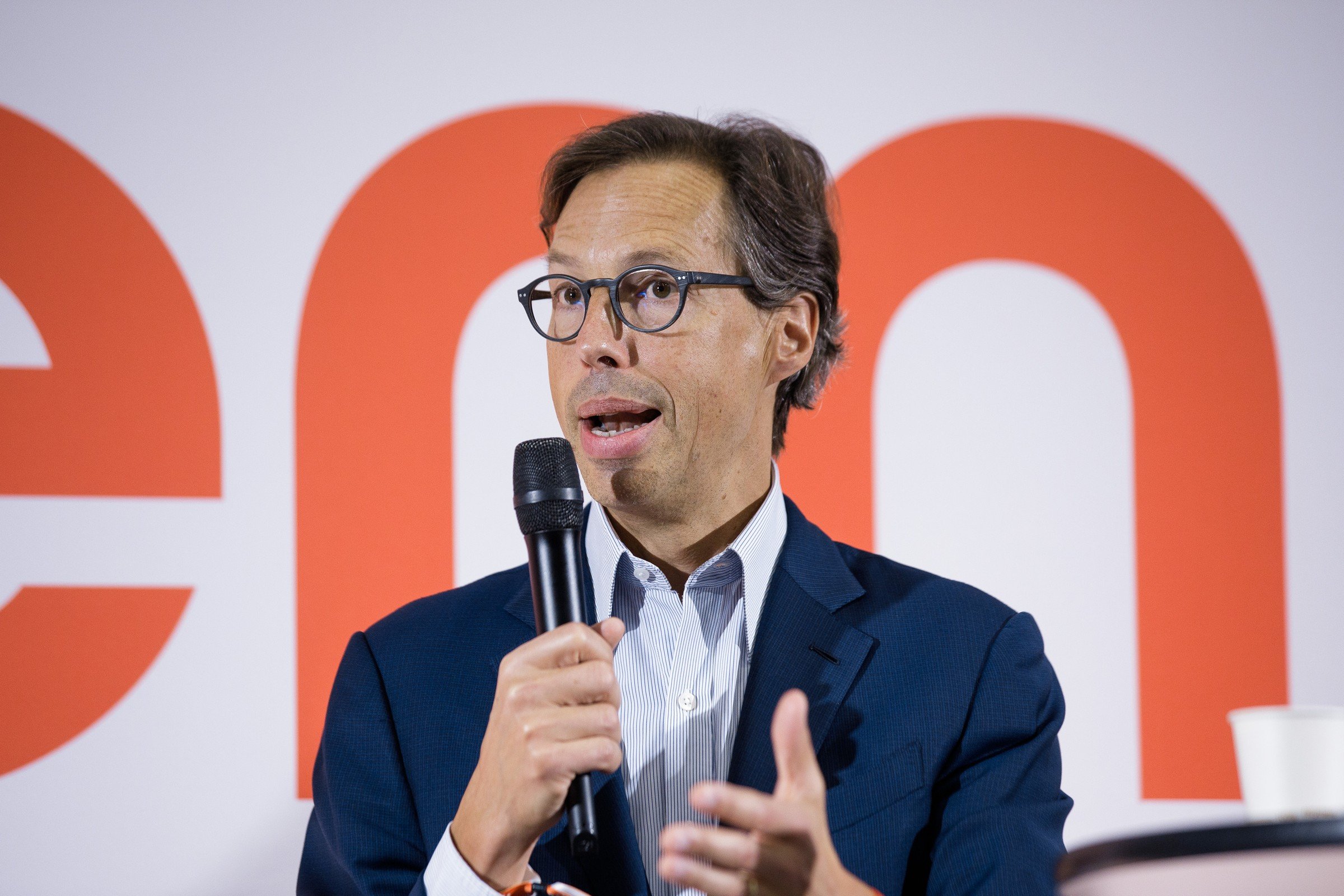
Photo: Goldman Sachs Alternatives' co-CIO of Infrastructure, Philippe Camu, on-stage at IPEM Global. Source: IPEM
Three ways Goldman Sachs originates infrastructure deals.
Take-privates during market dislocations
One approach Goldman Sachs Alternatives' deploy is to buy public businesses during periods of market dislocation. The pandemic and war in Ukraine are notable examples. Volatility surrounding US tariffs has also created some pockets of opportunity. These rarely emerge when public markets remain benign for long periods, as was the case for much of the last decade. However, investors have to be ready to transact when public market dislocations arise, in order to successfully execute take-private deals.
Building platforms
Investors wishing to own the infrastructure of tomorrow are securing contracts such as PPAs or feedstock agreements, before building from the ground up. This approach creates value by building rather than buying and optimising. Renewable energy, for example, represents an attractive sector.
But the demand for new data centres means digital infrastructure is also high on the list. Securing decade-long contracts with the major AI hyperscalers before a single euro is spent can generate attractive unit economics. Camu suggests returns can be around 10%, rising to 15% or more with a modest turn of leverage.
Strategic carve-outs
A third approach is to pursue carve-outs; partnering with large strategic firms to buy unloved businesses.
One deal catalyst was the EU unbundling directive. This forced energy companies to separate their transmission and distribution businesses from generation assets. It has allowed investors to negotiate win:win deals with the strategic energy companies.
The common thread across Goldman's three strategies is patience and preparation: lock in feedstock contracts and PPAs first, structure win-wins with strategic partners, wait for market dislocations, and only move when risk-reward tilts in your favour.
Do you think it's possible to bid on the infrastructure of tomorrow in an auction, or do you have to build it?
.png)
.png)
